Crawl Space Encapsulation in Huntersville, NC
Crawl space encapsulation transforms damp foundations into clean, dry conditioned spaces under your home. The process typically includes laying heavy-duty vapor liners (12-mil to 20-mil), sealing open foundation vents, insulating stem walls, and managing relative humidity below 50%.
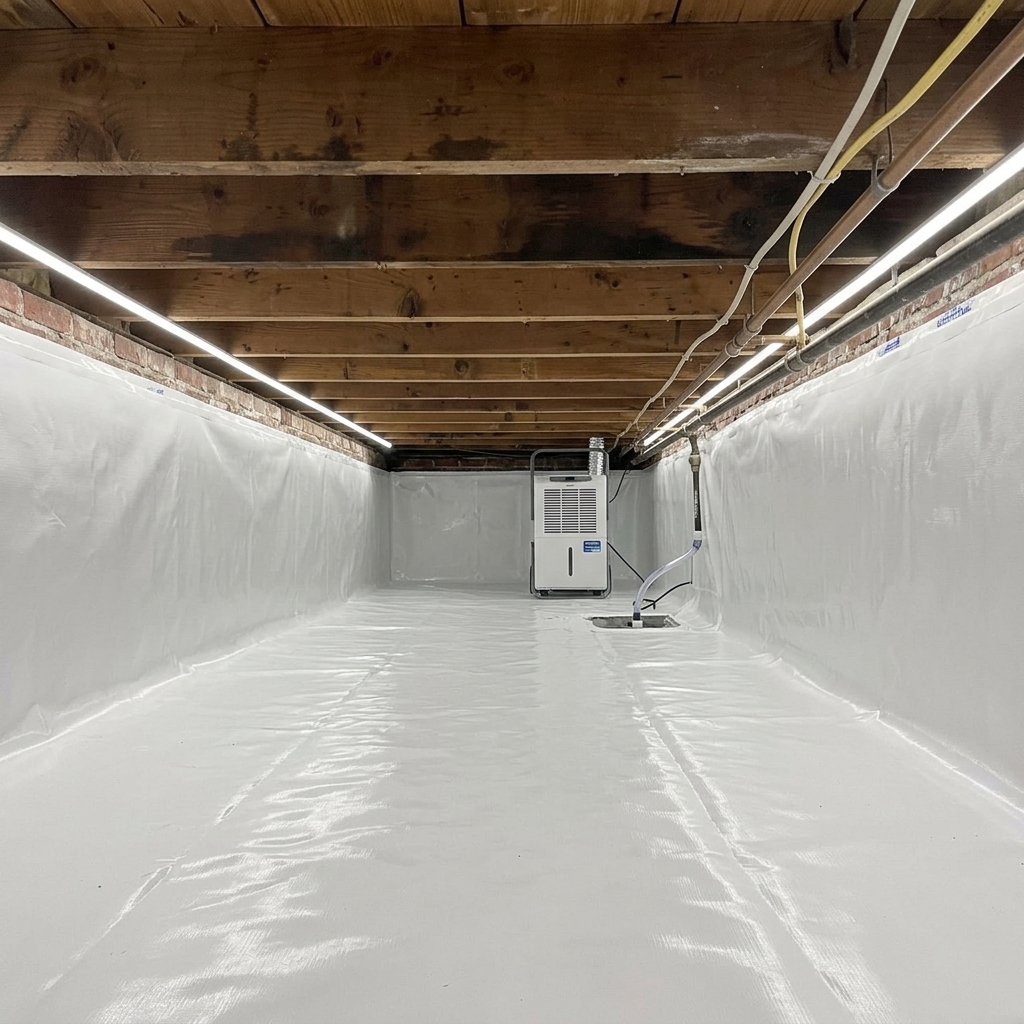
Crawl Space Encapsulation Standards
Specially customized for Huntersville, NC (Mecklenburg County) residential structural needs, managing regional Piedmont Clay & Lake Alluvium groundwater and high humidity.
Illustrative image showing professional building science practices by independent North Carolina contractors.
Understanding Crawl Space Encapsulation in North Carolina
Crawl space encapsulation is a mechanical and moisture barrier assembly designed to isolate subfloor crawl space framing from soil dampness and high ambient relative humidity. In North Carolina humid subtropical climate, unsealed crawl spaces often experience elevated moisture vapor wicking from soil floors.
Homes That Benefit From Encapsulation
- Crawl spaces with relative humidity consistently exceeding 65-70%.
- Properties experiencing subfloor fungal growth or mildew odor.
- Homes with sagging fiberglass batt insulation between joists.
- Crawl spaces with bare dirt floors in high rain/shallow water table areas.
Conditions Requiring Repair Prior to Encapsulation
- Active bulk water intrusion (requires interior French drain & sump pump first).
- Unaddressed combustion appliance spillage (gas furnaces/water heaters).
- Active termite infestations or uncorrected structural joist rot.
- Inadequate exterior perimeter surface drainage (clogged gutters or reverse slope).
Step-by-Step Encapsulation Process
Removing old falling insulation, sharp rocks, construction debris, and inspecting floor joists for structural integrity.
Trenching interior French perimeter drains and installing sump basin pits if ground water accumulation occurs.
Mechanically fastening and sealing heavy-duty vapor barrier membrane up foundation walls and masonry piers, leaving a 3-inch termite inspection gap per NC building code.
Overlapping floor liner seams by a minimum of 12 inches and sealing with commercial butyl tape or waterproof seam tape.
Sealing exterior foundation vents and installing rigid foam board insulation along perimeter curtain walls.
Installing a dedicated commercial crawl space dehumidifier with condensate drain line to maintain subfloor relative humidity below 55-60%.
Vapor Barrier Membrane Specification Comparison
| Liner Thickness | Material Structure | Puncture Resistance | Typical Application |
|---|---|---|---|
| 6-Mil Polyethylene | Unreinforced plastic film | Low (Tears easily when crawled on) | Basic ground cover code minimum |
| 12-Mil Reinforced Poly | Woven polyester scrim mesh core | Moderate (Good for standard storage) | Standard full encapsulation projects |
| 20-Mil Heavy-Duty Reinforced | Multi-layer cord-reinforced virgin poly | High (Heavy foot traffic & storage) | Premium long-term encapsulation assembly |
Essential Ongoing Maintenance Requirements
An encapsulated crawl space requires periodic homeowner or contractor inspection. Key maintenance tasks include:
- Checking dehumidifier air filter every 6 to 12 months.
- Verifying condensate pump drainage outlet is unobstructed.
- Annual visual check of perimeter termite inspection strip (3-inch gap at top of wall).
- Testing sump pump float switch annually prior to summer hurricane season.
Key Project Considerations & Specifications
Typical components involved in crawl space encapsulation projects.
Crawl Space Encapsulation FAQs
Why is Crawl Space Encapsulation important in Huntersville, NC?
Huntersville experiences heavy seasonal humidity and Piedmont Clay & Lake Alluvium moisture retention. Crawl Space Encapsulation addresses these specific county risk factors.
How long does Crawl Space Encapsulation take in Huntersville?
Most projects take 1 to 3 days depending on square footage, access height, and current foundation conditions.
Do contractors offer warranties for Crawl Space Encapsulation?
Contractor warranty terms vary by provider and scope. Homeowners should review written warranty details directly with their matched contractor.
Related Crawl Space Moisture Services
Request Crawl Space Encapsulation Estimate
Get connected with an independent contractor serving your area.